
 by
by Operation Metro Surge consisted of around 3,000 federal immigration agents making 4,000 arrests in Minnesota from December 2025 to February 2026.
The Department of Homeland Security started what they called their largest operation ever after President Donald Trump focused his immigration crackdown on the state.
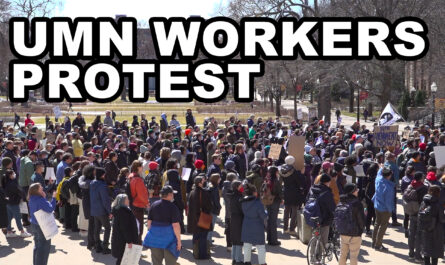
Minnesotan communities protested ICE presence throughout the operation, and the University of Minnesota in Minneapolis was an active location for demonstrations.
University students said they felt the need to get involved directly and stand up for people’s safety on their campuses and in their city.
“We have plenty of students whose friends and family are being taken by these ICE agents out of the streets,” student Devin Zoromski said while protesting outside campus hotel The Graduate, where ICE agents were allegedly staying.
“And it feels like the U is doing close to nothing to protect their students, international and otherwise. You should not feel unsafe when you’re getting an education.”
27% of University of Minnesota undergraduate students study abroad each year, which this semester meant watching the social unrest and news from their city from afar.
Many of these students in Barcelona, Spain, said they didn’t spend any time thinking about Operation Metro Surge because it didn’t affect them abroad.
They also said their busy schedules studying during the week and traveling to neighboring countries on weekends didn’t allow them time to stay caught up on Twin Cities news.
Two students disagreed.
Nick Karam said he found it hard to find unbiased information about what was happening back home, but made a large effort to sift through current events on social media.
“I think that being from Minnesota and living in Minnesota, it’s important to stay updated with what’s happening,” Karam said. “I mean, over here, it’s fun, it’s a vacation. But, this isn’t where my life is.”
Liam Thurston compared his relationship with Twin Cities news while abroad to that of Spaniards. He said it was difficult to emotionally connect with what his fellow Minnesotans were going through or have any pull on what was happening from afar, but the operation weighed heavily on his mind.
“I think they hear it in the news so much right now,” Thurston said. “They hear about the unrest, but I don’t think the people here have as good of an understanding of the political situation and everything going on in Minnesota.”
Students also said they were worried about the safety of loved ones in Minnesota throughout the operation, so they stayed more in contact with those back home than usual.
Karam and Thurston’s program in Barcelona spans from early January to late April. Spending an entire semester abroad is the most common program for University of Minnesota students, so they will come back to their Twin Cities campuses after four months in their chosen location.