

 by
by Despite discredited reports, the Girl Scouts organization faces a class action lawsuit.
Girl Scouts across America conclude their annual cookie sales for the 108th season, but this season, controversy followed the beloved treats. Girl Scouts are being sued An independently commissioned study published in December fueled viral internet claims questioning the safety of the treats – ones that Americans purchase approximately 200 million boxes of each year.
The unsubstantiated online report claimed Girl Scout cookies contained harmful ingredients such as metals and pesticides. The allegations spread rapidly across social media.
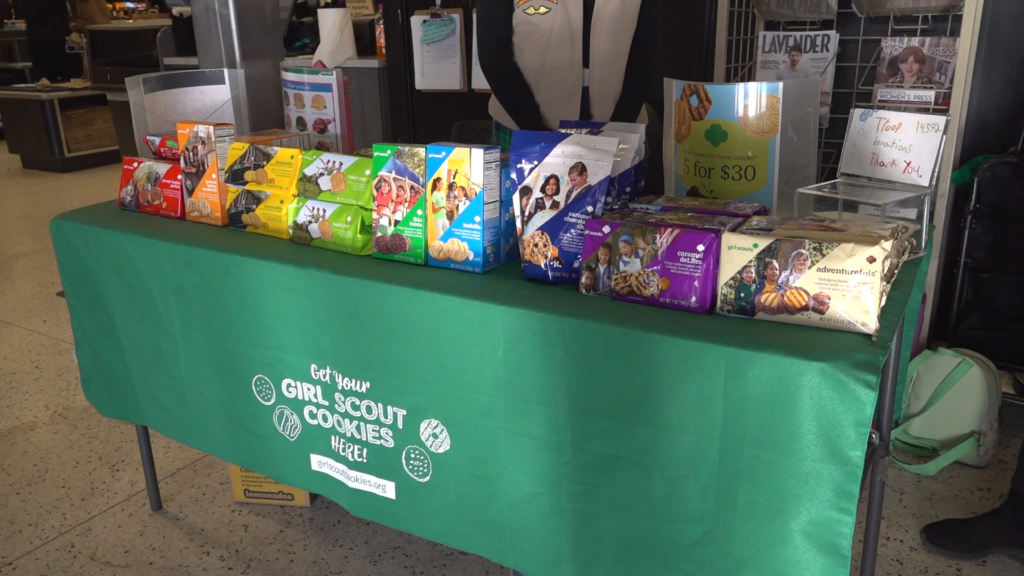
The Girl Scouts organization published a response in February addressing the allegations.
“The health and safety of Girl Scouts and cookie customers is our top priority. Girl Scout Cookies are safe to consume,” they said. “Girl Scout Cookies are made with ingredients that adhere to food safety standards set by the FDA and other relevant authorities,” they said.
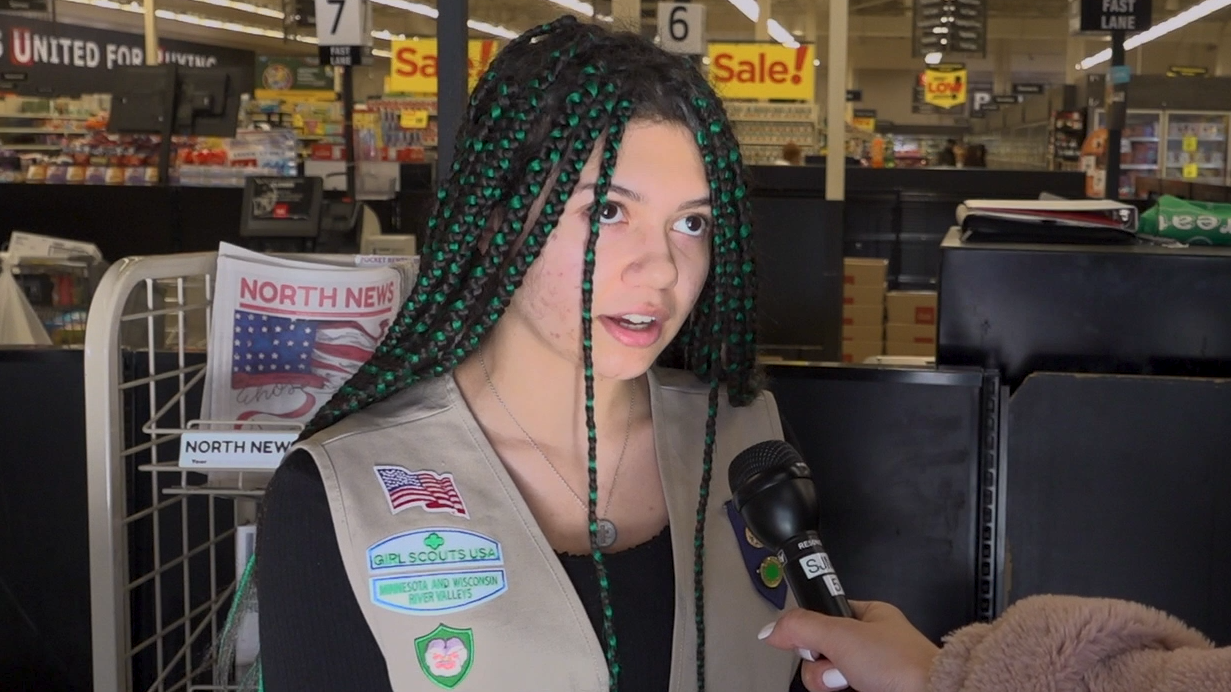
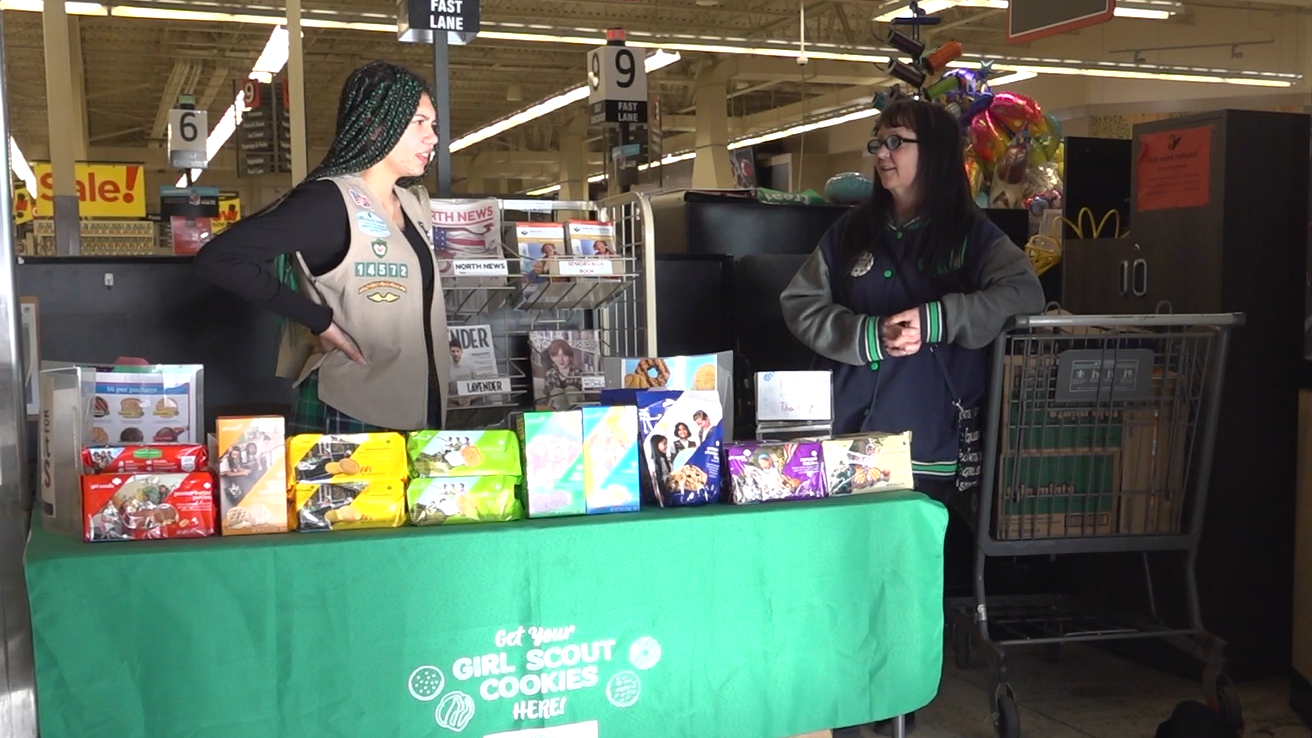
Lydia Watson, who has been a girl scout for 13 years, explained the accusations. “It was a group coming at Girl Scouts saying that we have bad metal in our cookies,” she said.
Sandra Watson, Lydia’s mom added: “They launched that right when cookie season happened, so it basically scared off a bunch of people.”
A New York woman filed a lawsuit in March against the Girl Scouts of the USA and two cookie manufacturers, seeking more than $5 million for consumers following December tests.
Amy Mayo alleges that the Girl Scouts as well as Ferrero U.S.A. Inc., a confectionery distributor, and Interbake Foods LLC, a baking products manufacturer, misled consumers by marketing cookies as safe and high-quality pointing to the December research. She claims these practices violate consumer protection laws and the Girl Scouts’ ethical standards.
The case has drawn attention to food safety and marketing transparency, especially for products targeting children.
Dr. Emily Vraga, health communication professor at the University of Minnesota, explained why such claims resonate:
“It taps into things we all kind of cherish, right? Girl Scout cookies, for many of us, are a childhood memory, but it’s also one where we just don’t know what’s in our food. There are a lot of additives in our food, so one can only think, how can something this delicious taste this good unless it’s fake,” she said. “People are motivated by wanting to control their environment. Just don’t eat this one thing. You’re giving people an easy way to feel more in control of their health.”
The century-old Girl Scout cookie tradition represents more than just sweet treats. For many scouts, it’s about community engagement and developing business skills.
“When you see organizations that are kind of institutional or foundational, like the Girl Scouts, attacked for something as universally loved as Girl Scout cookies, start to ask questions,” said University of Minnesota professor Stacie Swensen.
Despite the controversy, many Girl Scouts remained focused on their mission.
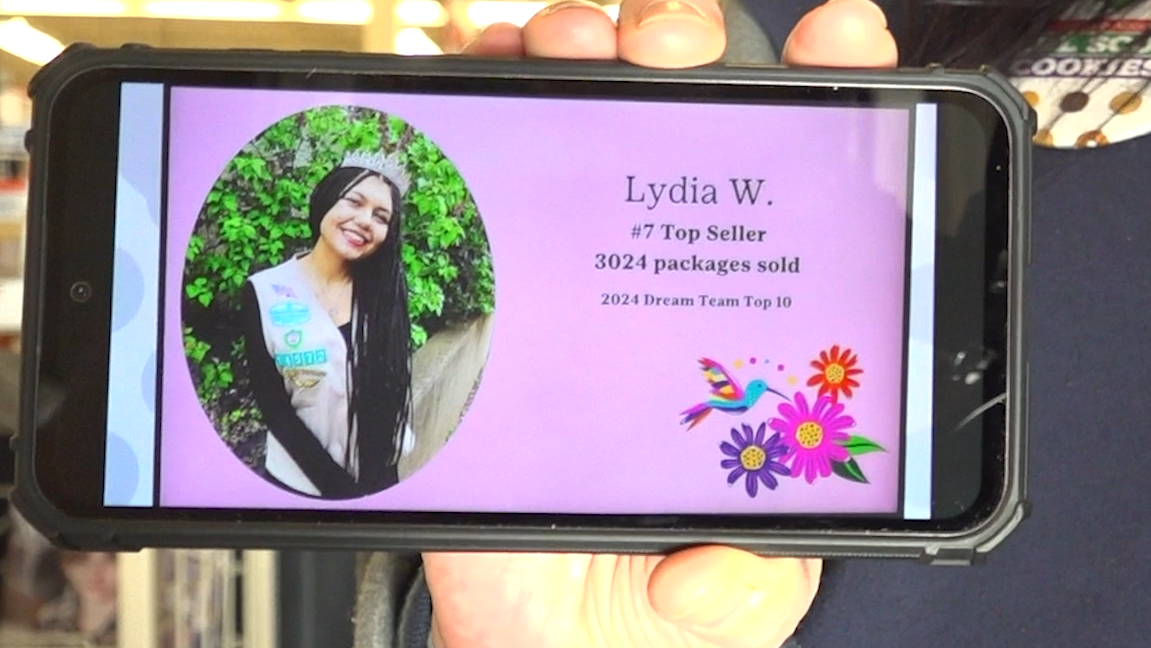
“To me, making people happy because it’s only a seasonal thing for two months, so they get really excited when I sell cookies,” Watson said. In 2024, she was the seventh highest cookie seller in Minnesota- selling 3,024 boxes.”
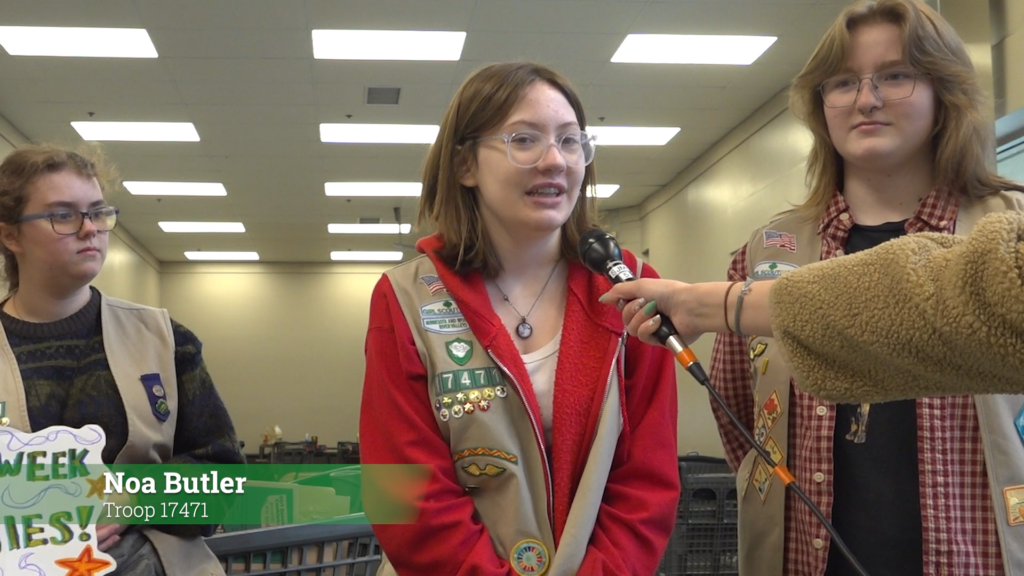
For scouts like Noa Butler, cookie sales fund experiences beyond the booth.
“I like spending time with my friends and volunteering. And then we like to go on trips and get food and just hang out and talk,” she said.
So while digital misinformation has presented challenges this season, the Girl Scout cookie program remains a cornerstone of the organization’s activities and funding.