 by
by The the Hennepin Energy Recovery Center, commonly known as the HERC, has been burning trash in North Minneapolis since 1989.
It incinerates 100,000 tons of waste annually, generating enough energy to power 25,000 homes.
The facility is located right next to Target Field, home of the Minnesota Twins, and is surrounded by a partially residential neighborhood.
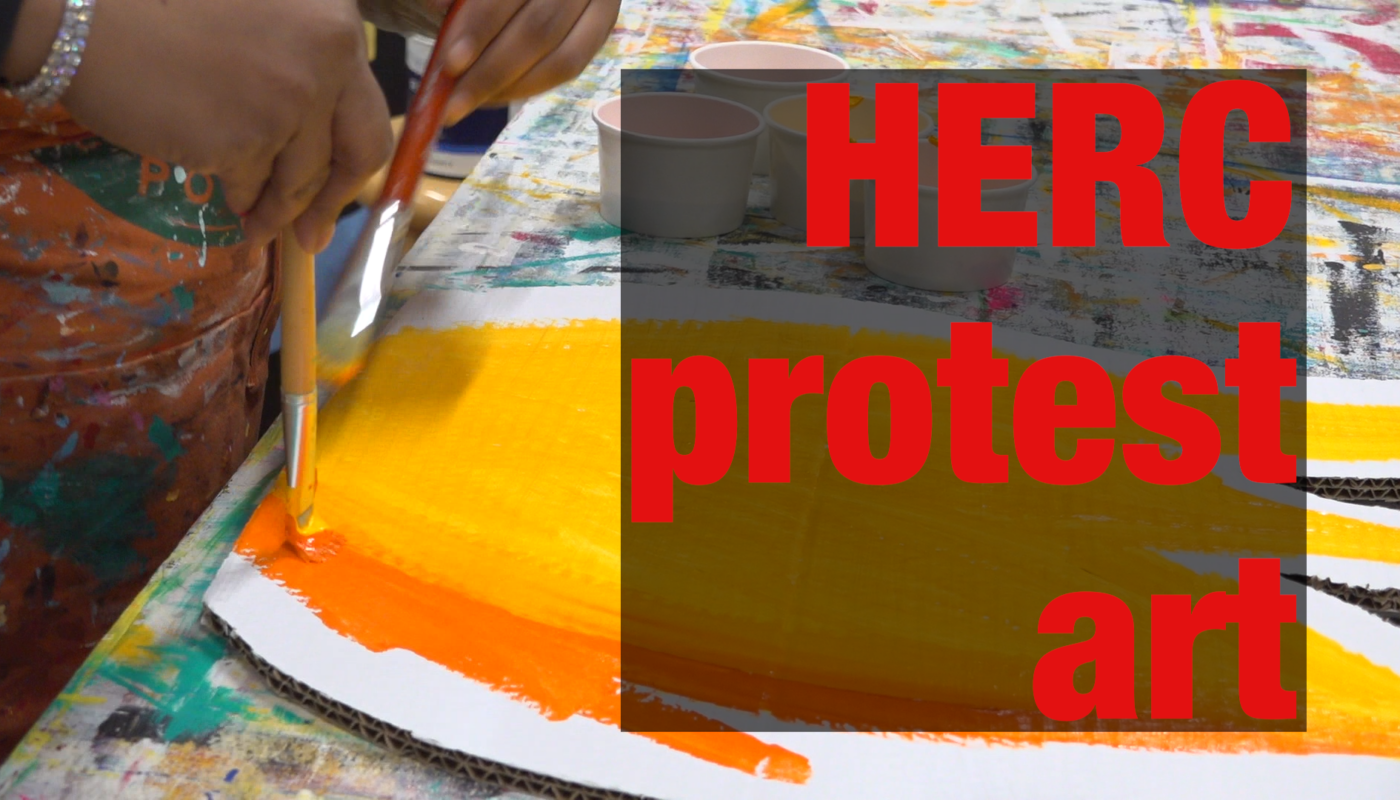
While painting a 20-foot banner with the message “freedom to breathe,” protesters at art studio Spill Paint, Not Oil said the HERC’s location is one of their biggest issues.
“This is absolutely an environmental injustice,” Leah Dunlevy of Zero Burn Coalition said. “There’s a reason that this facility isn’t in Edina, for example. They very clearly chose to put it in a Black working class neighbrohood.”
Protesters blamed the HERC’s pollution for North Minneapolis’ unproportionately high rates of asthma-related hospitalizations compared to other areas of the Metro, according to the Minnesota Department of Health.
While painting, Dunlevy said the Zero Burn Coalition’s main goal is to encourage zero waste efforts at the individual level.
Dave McNary, assistant director of Hennepin County’s Department of Environment and Energy, said the HERC cannot stop burning without these individual efforts of waste reduction first.
“Until all of us work together, we’re going to have that 1.3 million tons of waste to deal with,” McNary said.
He said while it is still burning, the HERC is dedicated to being a good neighbor to North Minneapolis and operates below their pollution mandates set by the Environmental Protection Agency.
He also explained the large white plumes that emerge from the facility’s smokestacks in the winter are not pollution, as he said the HERC’s opposition mistakes it for, but rather are steam caused by hot water vapor coming in contact with cold air.
At “Spill Paint, Not Oil,” protesters said their current mission is to raise awareness that the HERC is actively burning after a 2023 resolution from Hennepin County board commissioners to put together a plan to shut down the HERC between 2028 and 2040.
They said this resolution led many people to believe the facility would stopping incineration, and that they aren’t satisfied with the steps taken toward this potential 2028 shutdown.
Environmental justice organizer of the Sierra Club Whitney Terrill said she has hope for their art being more successful in making change than the more traditional forms of protest over the last 38 years.
“Sometimes, people need ot see it visually to have a different kind of emotional response,” Terrill said. “The visual is a part of beauty in the resistance that’s absolutely needed.”
Terrill said she felt the need to push for environmental justice in her family’s home of North Minneapolis while painting large cardboard flames to be used in an educational play about the HERC.
Activists outside of those at “Spill Paint, Not Oil” have escalated their tactics in a response to the lack of visible change toward a shutdown. Three protesters began a hunger strike April 10.
The strikers said they will stick to a water only diet until Hennepin County meets their demand of shutting down the HERC before the end of next year.
“We’re here to stand in solidarity with them, make art, and really take this opportunity to continue spreading the word about the fact that the county commissioners are misleading the public,” Dunlevy said.